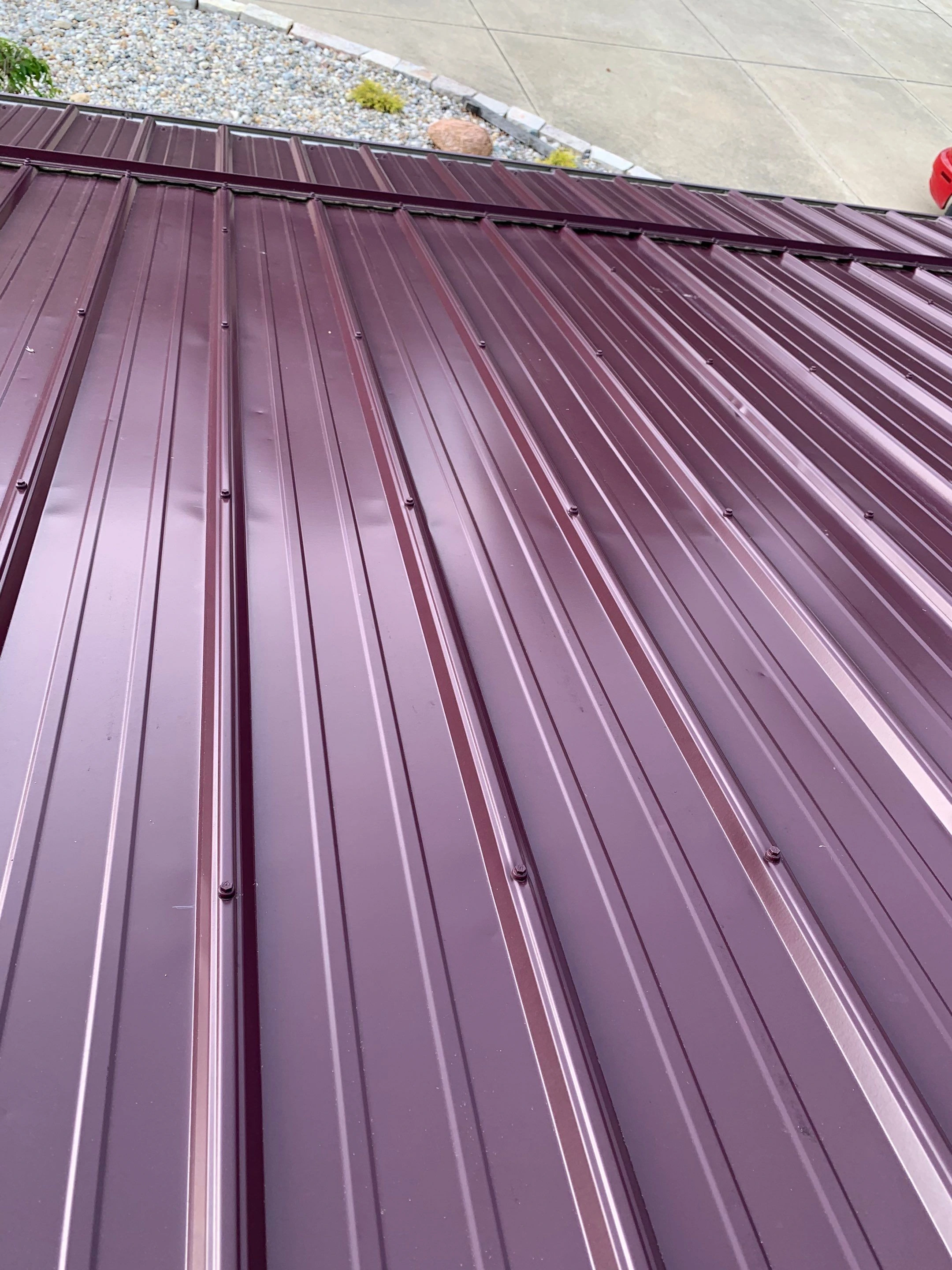
What causes ponding water
Ponding water has several possible causes, and for a Hazel Dell owner, identifying which is at work is the key to fixing it. The standing water is a symptom, and understanding the underlying cause is what leads to the right solution.
Inadequate slope or drainage design
Sometimes the roof simply lacks enough slope to move water to the drains, or the drainage was poorly designed, leaving areas where water naturally collects. This can be a feature of the original construction. A roof built with insufficient slope or poorly placed drains will pond in the low areas, and the fix involves correcting the slope or drainage to get water flowing. Inadequate drainage design is a fundamental cause that often requires a real correction rather than just maintenance.
Structural deflection
Over time, the roof structure can deflect, or sag slightly, under loads, creating low spots where water collects even if the original slope was adequate. Deflection in the decking or structure between supports is a common cause of ponding that develops as a building ages. For a Hamilton County roof, sagging that creates depressions is a structural level cause of ponding, and addressing it may involve building up the low areas to restore drainage over the deflected spots.
Clogged or inadequate drains
Drains, scuppers, and gutters that are clogged with debris, leaves, branches, and accumulated material, cannot move water off the roof, causing it to back up and pond. Inadequate drainage capacity, too few or too small drains, has a similar effect. For a Hazel Dell roof, clogged drainage is a common and often easily corrected cause of ponding, since clearing the drains restores flow, while inadequate capacity may require adding drainage. Keeping drains clear is basic but essential.
Settling, additions, and modifications
Building settling, rooftop additions like new equipment, or modifications that alter the roof's contours can create or worsen low spots and disrupt drainage paths. Changes to the roof or building over time can introduce ponding where there was none. For a roof that has had equipment added or has settled, these changes may be the cause of new ponding, and the fix involves restoring proper drainage around the altered areas. Identifying such changes helps pinpoint the cause.
Identifying the cause is the key
Because ponding can stem from inadequate slope, deflection, clogged or inadequate drains, or building changes, identifying the specific cause on your roof is essential to choosing the right fix. A clogged drain calls for a different solution than structural deflection. For a Hamilton County owner, a proper assessment that determines why the roof is ponding is the foundation for an effective fix, since the solution must address the actual cause rather than just the symptom.
Find out why your roof is ponding
It also helps to address the cause rather than the symptom, because simply removing standing water once does nothing if the drainage failure that created it remains. A Hamilton County owner who insists on identifying why the roof ponds, inadequate slope, deflection, clogged drains, and fixing that underlying cause gets a lasting solution, while one who only clears the water temporarily will see it return. The effective fix is the one that restores the roof's ability to drain, which is what separates a real solution from a temporary patch.
The broader point about ponding is that it is both a symptom and a cause, a symptom of a drainage failure and a cause of accelerated roof deterioration, which is why it deserves prompt attention. A Hazel Dell owner who treats standing water as the warning it is, rather than a harmless feature of a flat roof, addresses the drainage problem before it shortens the roof's life. The roofs that reach their full span are the ones whose owners kept water moving off them, which is exactly what fixing ponding accomplishes.
Finally, preventing ponding is far easier than repairing the damage it causes, which makes maintenance and proper drainage design worthwhile investments. A owner who keeps drains clear, monitors the roof for new low spots, and ensures proper slope on any new roof avoids the steady harm standing water does. That preventive attention, keeping water moving off the roof, protects the roof's life at a fraction of the cost of dealing with the deterioration, leaks, and structural strain that ponding eventually brings.
It also helps to address the cause rather than the symptom, because simply removing standing water once does nothing if the drainage failure that created it remains. A Hamilton County owner who insists on identifying why the roof ponds, inadequate slope, deflection, clogged drains, and fixing that underlying cause gets a lasting solution, while one who only clears the water temporarily will see it return. The effective fix is the one that restores the roof's ability to drain, which is what separates a real solution from a temporary patch.
The broader point about ponding is that it is both a symptom and a cause, a symptom of a drainage failure and a cause of accelerated roof deterioration, which is why it deserves prompt attention. A Hazel Dell owner who treats standing water as the warning it is, rather than a harmless feature of a flat roof, addresses the drainage problem before it shortens the roof's life. The roofs that reach their full span are the ones whose owners kept water moving off them, which is exactly what fixing ponding accomplishes.
Finally, preventing ponding is far easier than repairing the damage it causes, which makes maintenance and proper drainage design worthwhile investments. A owner who keeps drains clear, monitors the roof for new low spots, and ensures proper slope on any new roof avoids the steady harm standing water does. That preventive attention, keeping water moving off the roof, protects the roof's life at a fraction of the cost of dealing with the deterioration, leaks, and structural strain that ponding eventually brings.
It also helps to address the cause rather than the symptom, because simply removing standing water once does nothing if the drainage failure that created it remains. A Hamilton County owner who insists on identifying why the roof ponds, inadequate slope, deflection, clogged drains, and fixing that underlying cause gets a lasting solution, while one who only clears the water temporarily will see it return. The effective fix is the one that restores the roof's ability to drain, which is what separates a real solution from a temporary patch.
Hazel Dell Metal Roofing assesses Hazel Dell flat roofs to determine the cause of ponding, whether drainage, deflection, or another factor. Call {phone} to find out why your roof is ponding. Identifying the cause is what separates an effective fix from an expensive guess.